Quick answer
For “Low T Content Philippines Why,” symptoms alone cannot establish hypogonadism; diagnosis requires consistent symptoms or signs plus unequivocally and repeatedly low testosterone measured appropriately.1 The result belongs to the exact population, outcome, and design described in the source. For Filipino readers, that makes Enclomiphene citrate an evidence question first and a separate product-verification question second. That order keeps the short answer useful without turning it into personal guidance or a sales promise.
What is the direct answer?
This is where the Low T Content Philippines Why headline needs context. The study design explains what the result can carry and where the interpretation should stop.
For “Low T Content Philippines Why,” researchers found that symptoms alone cannot establish hypogonadism; diagnosis requires consistent symptoms or signs plus unequivocally and repeatedly low testosterone measured appropriately.1
Within “Low T Content Philippines Why,” the study design provides the frame: multiple clinical guidelines and a diagnostic review.1
For “Low T Content Philippines Why,” one caution belongs beside that result: the sources do not provide a personal diagnosis.1
For “Low T Content Philippines Why,” the source describes a focused result: enclomiphene trials used selected men with repeated low testosterone and low or normal LH rather than people identified by symptoms alone.2 For “Low T Content Philippines Why,” the source also narrows the conclusion: trial eligibility does not determine an individual reader's diagnosis or suitability.2
Readers researching Enclomiphene can view its live catalog details below. The listing identifies the catalog item and is separate from the evidence discussed here.
What did the study actually find?
For Filipino readers, Low T Content Philippines Why is clearest when the global research and the exact local record remain separate checks.
For “Low T Content Philippines Why,” the measured outcome was clear: symptoms associated with hypogonadism span sexual, physical, energy, sleep, cognition, and mood domains and are not specific to one cause.3
Within “Low T Content Philippines Why,” the source places the result in this setting: diagnostic review, symptom-instrument research, and laboratory review.3
For “Low T Content Philippines Why,” the practical limitation is this: a symptom questionnaire can organize experiences but cannot replace biochemical confirmation.3
For “Low T Content Philippines Why,” the paper’s main result was that a symptom checklist, single laboratory number, and confirmed clinical syndrome are different evidence levels.4 For “Low T Content Philippines Why,” that result does not erase its main limit: the distinction is educational and does not direct testing or treatment.4
A useful way to read Low T Content Philippines Why is to separate three questions. What did the study measure, what limit did the authors name, and does any current product match the identity being discussed?
What does the wider evidence add?
Readers do not need a technical background to follow Low T Content Philippines Why. They do need the study context in plain language and a clear explanation of the main limit.
For “Low T Content Philippines Why,” the study reported that testosterone varies over time, and assay accuracy and binding-protein concentrations can affect interpretation.5
Within “Low T Content Philippines Why,” the setting matters: guideline and laboratory-diagnostic evidence.5
For “Low T Content Philippines Why,” the main limit is equally important: interpretation depends on the full clinical and laboratory context.5

Short Low T Content Philippines Why headlines often compress those questions into one idea. This article keeps them apart so readers can follow the evidence without losing the practical product check.
Which limit is easiest to miss?
The most useful conclusion about Low T Content Philippines Why is the one another reader can retrace. The citation should lead back to the exact result described here.
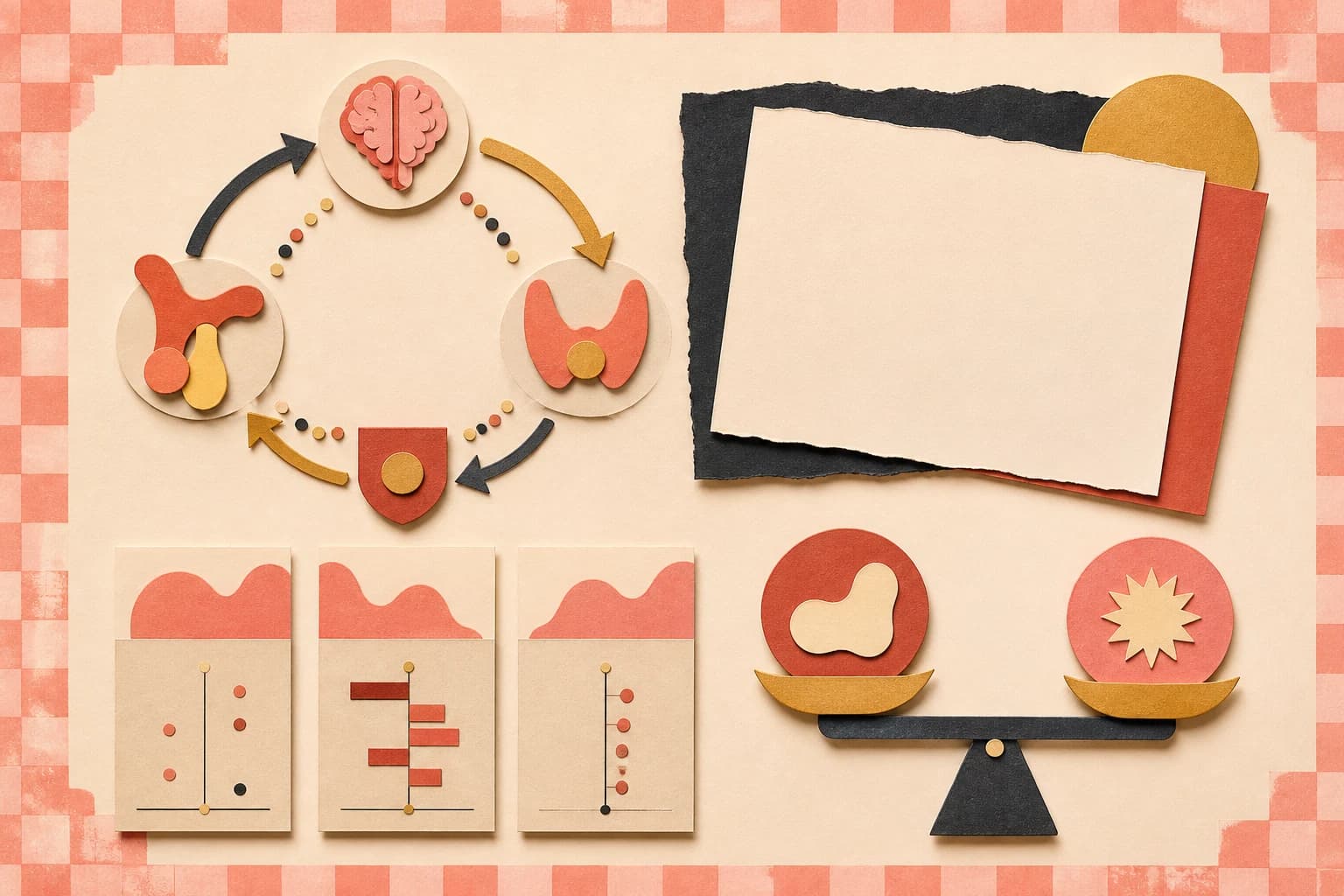
For “Low T Content Philippines Why,” researchers found that LH and FSH contribute to distinguishing primary from secondary hormone patterns, after which the underlying cause still requires evaluation.6
Within “Low T Content Philippines Why,” the study design provides the frame: diagnostic guideline and review.6
For “Low T Content Philippines Why,” one caution belongs beside that result: hormone-pattern classification is not a self-diagnosis.6
The same method works when another Enclomiphene citrate paper changes the Low T Content Philippines Why discussion. Compare its population, study design, outcome, and timeframe before deciding what it adds.
Where does Enclomiphene citrate fit in the story?
This is where the Low T Content Philippines Why headline needs context. The study design explains what the result can carry and where the interpretation should stop.
For “Low T Content Philippines Why,” the measured outcome was clear: enclomiphene trials used selected men with repeated low testosterone and low or normal LH rather than people identified by symptoms alone.2
Within “Low T Content Philippines Why,” the source places the result in this setting: phase II and phase III research in secondary hypogonadism.2
For “Low T Content Philippines Why,” the practical limitation is this: trial eligibility does not determine an individual reader's diagnosis or suitability.2
Readers comparing this topic with HCG can view its live catalog details below. It is a separate catalog reference, not a suggested combination.
What should Filipino readers verify?
For Filipino readers, Low T Content Philippines Why is clearest when the global research and the exact local record remain separate checks.
For “Low T Content Philippines Why,” the study reported that a symptom checklist, single laboratory number, and confirmed clinical syndrome are different evidence levels.4
Within “Low T Content Philippines Why,” the setting matters: synthesis of guideline, symptom, and laboratory evidence.4
For “Low T Content Philippines Why,” the main limit is equally important: the distinction is educational and does not direct testing or treatment.4
Bottom line
For “Low T Content Philippines Why,” the clearest reading is that symptoms alone cannot establish hypogonadism; diagnosis requires consistent symptoms or signs plus unequivocally and repeatedly low testosterone measured appropriately.1
In the “Low T Content Philippines Why” discussion, the distinction is educational and does not direct testing or treatment.4 For Filipino readers, the research result and the exact local product record remain separate checks.
That approach keeps Enclomiphene citrate informative without turning one study into personal advice, a universal promise, or proof about a catalog product.
Frequently asked questions
What is the short answer about Enclomiphene citrate?
For “Low T Content Philippines Why,” the cited source gives a focused answer: symptoms alone cannot establish hypogonadism; diagnosis requires consistent symptoms or signs plus unequivocally and repeatedly low testosterone measured appropriately.1 The conclusion stays tied to that study’s population, method, and measured outcome.
Does one positive result settle the whole topic?
For “Low T Content Philippines Why,” no single result settles the whole topic. A symptom questionnaire can organize experiences but cannot replace biochemical confirmation.3 A useful result can remain narrow without being dismissed or promoted as a universal benefit.
Why does the study context matter?
Within “Low T Content Philippines Why,” guideline and laboratory-diagnostic evidence.5 Changing the population, comparison, formulation, or endpoint would change the question, so those details belong beside the finding.
What should Filipino readers verify?
For “Low T Content Philippines Why,” a symptom checklist, single laboratory number, and confirmed clinical syndrome are different evidence levels.4 Check the exact name and record shown by the official source instead of assuming that a familiar molecule name covers every listing.
Do the Enclomiphene and HCG cards prove a benefit?
No. In this Low T Content Philippines Why guide, the cards are live catalog references for navigation. They do not prove study equivalence, turn research into a product claim, or suggest that the two items should be used together.4
Sources
Footnotes
-
Testosterone Therapy in Men With Hypogonadism: An Endocrine Society Clinical Practice Guideline; Optimizing Diagnostic Accuracy and Treatment Decisions in Men With Testosterone Deficiency; European Academy of Andrology guidelines on investigation, treatment and monitoring of functional hypogonadism in males. Multiple clinical guidelines and a diagnostic review. The sources do not provide a personal diagnosis. ↩ ↩2 ↩3 ↩4 ↩5 ↩6
-
Testosterone Restoration by Enclomiphene Citrate in Men with Secondary Hypogonadism: Pharmacodynamics and Pharmacokinetics; Oral enclomiphene citrate raises testosterone and preserves sperm counts in obese hypogonadal men, unlike topical testosterone. Phase II and phase III research in secondary hypogonadism. Trial eligibility does not determine an individual reader's diagnosis or suitability. ↩ ↩2 ↩3 ↩4 ↩5
-
Optimizing Diagnostic Accuracy and Treatment Decisions in Men With Testosterone Deficiency; Content Validity of the Hypogonadism Impact of Symptoms Questionnaire; Laboratory Assessment of Testicular Function. Diagnostic review, symptom-instrument research, and laboratory review. A symptom questionnaire can organize experiences but cannot replace biochemical confirmation. ↩ ↩2 ↩3 ↩4
-
Testosterone Therapy in Men With Hypogonadism: An Endocrine Society Clinical Practice Guideline; Optimizing Diagnostic Accuracy and Treatment Decisions in Men With Testosterone Deficiency; European Academy of Andrology guidelines on investigation, treatment and monitoring of functional hypogonadism in males; Content Validity of the Hypogonadism Impact of Symptoms Questionnaire; Laboratory Assessment of Testicular Function. Synthesis of guideline, symptom, and laboratory evidence. The distinction is educational and does not direct testing or treatment. ↩ ↩2 ↩3 ↩4 ↩5 ↩6 ↩7 ↩8
-
Testosterone Therapy in Men With Hypogonadism: An Endocrine Society Clinical Practice Guideline; Optimizing Diagnostic Accuracy and Treatment Decisions in Men With Testosterone Deficiency; Laboratory Assessment of Testicular Function. Guideline and laboratory-diagnostic evidence. Interpretation depends on the full clinical and laboratory context. ↩ ↩2 ↩3 ↩4
-
Testosterone Therapy in Men With Hypogonadism: An Endocrine Society Clinical Practice Guideline; Optimizing Diagnostic Accuracy and Treatment Decisions in Men With Testosterone Deficiency. Diagnostic guideline and review. Hormone-pattern classification is not a self-diagnosis. ↩ ↩2 ↩3